Diary of Preschool Teacher

Diary of a Preschool Teacher

Ideas & Inspiration for Parents of Preschoolers

Share Post
Tanya Barsano  ·  3 min read

What Is Loose Parts? Simple Everyday Items That Spark Creativity

Updated: May 11
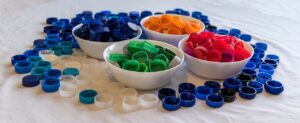
plastic, lids, waste, recycling, nature, closure, ecology, water, environment, sorting, household, collection

Key Takeaway

Give kids a pile of rocks, lids, or sticks, and watch creativity bloom. Loose parts play builds imagination, confidence, and problem-solving naturally.

If you’ve ever seen a preschooler ignore a shiny toy for a box or stick, then you’ve already seen loose parts play.

Loose parts are open-ended materials, things that can be used in endless ways. There’s no right or wrong. Children become the creators, thinkers, and problem solvers.

A toy hammer will almost always be used as a hammer. But a branch?

A branch can be a hammer, a pen, a magic wand, or even a hot dog. That’s the magic of loose parts; they don’t tell kids what to do, they invite them to imagine.

This is a concept that comes from the Reggio Emilia Approach, a child-centered philosophy originating from Italy that encourages learning through exploration and creativity. The philosophy centers on seeing children as competent, curious, and full of potential. Instead of being told how to play, kids explore, experiment, and build their own ideas.

So, What Counts as a Loose Part?

Almost anything! Loose parts can be natural, household, or recycled items.

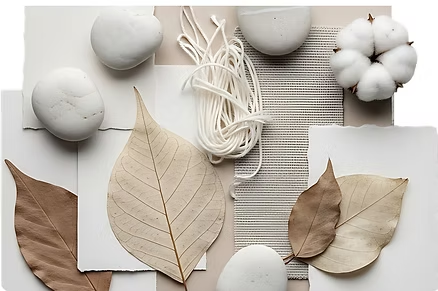
Nature Base

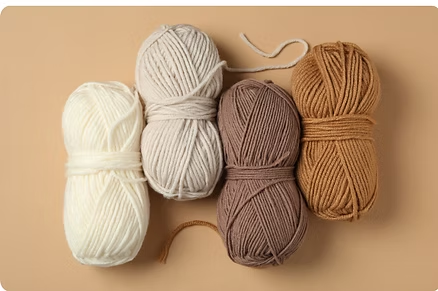
Household Items

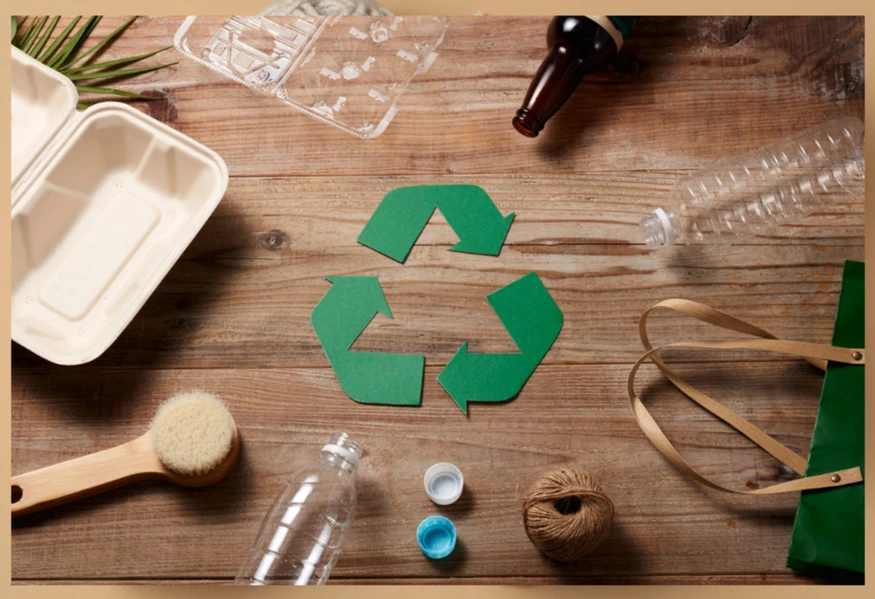
Craft or Recycled Treasures

Everyday Loose Parts  for Play and Learning

Loose parts don’t need to be fancy. Try offering a tray of objects and see what happens:

  • Nature table with rocks, leaves, and twigs

  • Buttons and cups for sorting by size or color

  • Cardboard tubes for building

  • Fabric scraps for creating and pretending

  • Muffin tins for counting or pretend baking

  •  

Tips: Save your section trays for set up.

Connect loose parts with a book

Rotate materials now and then to keep things fresh.

Kids stay engaged far longer than you’d expect.


Ideas for Traditional Classrooms

  • Create a “Loose Parts Station” with labeled bins

  • Pair with storybooks: “Can you build a house for the three little pigs?”

  • Use for math: grouping, patterning, or measuring

  • Let kids create self-portraits or collages using objects like yarn, shells, or buttons

  • Offer trays during free play or centers

Loose parts play can be messy, which is often part of the rich learning process, but it doesn’t always have to be messy to spark creativity and exploration.

Loose parts may look simple, but they spark deep, meaningful play. Whether you’re a teacher, parent, or homeschooler, remember:

Kids don’t need more toys.

They need more freedom to explore.

And sometimes, the best toy is a stick

Lorem ipsum dolor sit amet, consectetur adipiscing elit. Ut elit tellus, luctus nec ullamcorper mattis, pulvinar dapibus leo.

258 views 0 comments

Written by Tanya, a preschool educator who believes learning should always feel like play.

Tanya Barsano, M.S.Ed., is an early childhood educator with nearly 30 years of experience. On her blog, Diary of a Preschool Teacher, she shares playful learning ideas, book-inspired activities, and parenting tidbits to help children (and their grown-ups) thrive.
Comments

Send us a message

Fill in the form below and we will get back to you.

Subscribe to our newsletter