Age-by-Age Sorting Ideas:
For 3-Year-Olds
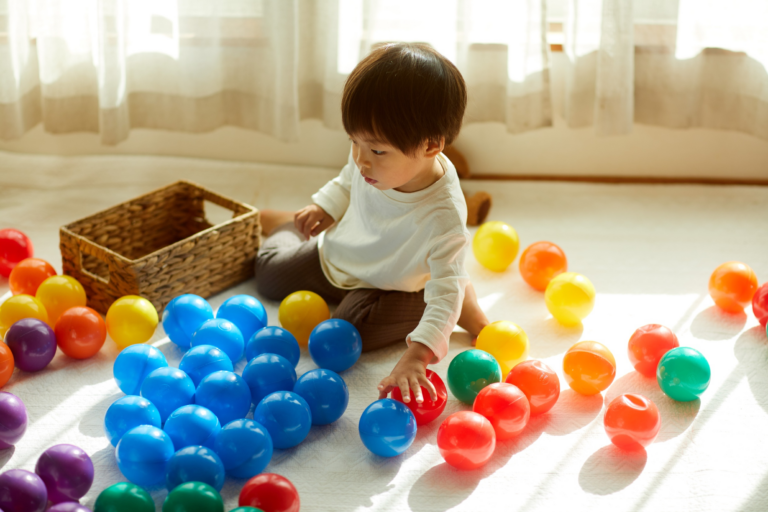
Simple: Sort blocks by color using two piles.
More Challenging: Sort objects by function, like things we eat with vs. things we play with.
For 4-Year-Olds
Simple: Sort toy cars by type, such as trucks and cars.
More Challenging: Sort by material, such as plastic vs. wood.
For 5-Year-Olds
Simple: Sort transportation by land, sea, or sky.
More Challenging: Sort by two traits at once, such as color and size.
For 6-Year-Olds
Simple: Sort coins by type.
More Challenging: Sort objects by texture or weight.
Everyday Ways to Practice Sorting:
Laundry
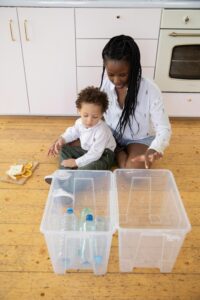
Ask your child to separate socks, shirts, towels, or lights and darks.
Toy Cleanup
Sort toys into baskets by category.
Kitchen Utensils
Let them place forks, spoons, and spatulas into the right spots.
Groceries
Group fruits together, canned goods together, or sort items into fridge and pantry categories.
Cooking
Sort ingredients by dry and wet, or first step and last step.
A Helpful Reminder for Parents
You do not need to turn every moment into a lesson.
Children learn best when everyday life includes chances to help, notice, compare, and think. Sorting naturally does all of that.
Remember, when your child makes piles of rocks, lines up stuffed animals, or insists every red crayon belongs together, they are practicing important thinking skills.
Sometimes the simplest activities carry the most value.
Sorting may seem basic, but it is building a brain that can organize ideas, solve problems, and understand the world.
A pile of socks today can become confidence in math tomorrow.